
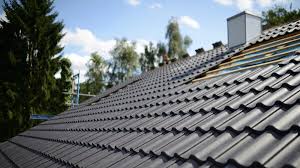
A damaged roof can quickly turn from a minor inconvenience into a major problem. Whether you’ve spotted a leak, lost shingles after a storm, or noticed signs of aging, one question becomes unavoidable: Do you repair the roof, or replace it entirely? Making the right decision is more important than most homeowners realize. The roof protects everything underneath it—your family, your belongings, and the structure of your home. Choosing the wrong option can lead to wasted money, recurring damage, and even safety risks. In this guide, we’ll walk you through the factors that determine whether a roof repair or a full roof replacement is the best solution.
Assessing the Current Condition of Your Roof
Before making any decision, it’s important to evaluate the overall health of your roof. This involves more than looking at a few shingles—you need to understand the life expectancy of the material, the extent of visible damage, and any hidden problems that may be developing underneath.
How Old Is Your Roof?
The age of your roof is one of the biggest indicators of what it needs. Traditional asphalt shingle roofs typically last 20 to 25 years, while metal, tile, and slate roofs may last much longer when properly maintained. If your roof is nearing the end of its expected lifespan, investing in repair after repair may only delay the inevitable. In those cases, choosing a full roof replacement is usually more cost-effective.
What Type of Damage Do You Have?
Not all roof damage is equal. Some issues are cosmetic or surface-level, while others indicate deeper structural problems. Small leaks near flashing or minor shingle damage caused by wind can often be repaired easily. On the other hand, widespread missing shingles, sagging roof sections, rotting wood, or water-damaged decking are signs that a replacement is the safer and smarter option.
When a Roof Repair Is the Right Choice
Roof repairs are typically recommended when the damage is limited, recent, and doesn’t affect the overall structure of the roof. Repairs are faster, less expensive, and help extend the lifespan of a roof that still has plenty of years left.
Minor and Localized Damage
If the issue is confined to a small area—for example, damage from a fallen branch or a section affected by wind—repairing just that section is usually sufficient. A qualified roofer can match the materials and restore your roof to full functionality.
Your Roof Has Years Left
If your roof is under 15 years old, a repair often makes more sense, especially if it has been well maintained and shows no signs of aging across the rest of the surface.
You’re on a Tight Budget
While a roof replacement offers long-term benefits, not every homeowner can afford it immediately. A professional repair can provide a reliable short-term solution while you plan for a replacement in the future. Just keep in mind that repeated repairs can add up over time.
When a Roof Replacement Makes More Sense
Sometimes, repairing your roof is only a temporary fix. If the problem keeps returning or threatens the structural integrity of your home, a full roof replacement is the more practical—and safer—investment.
Multiple or Recurring Leaks
One leak may be easy to repair, but several leaks in different areas indicate a much bigger problem. Recurring leaks often mean the roof’s underlayment is failing, moisture is spreading across the decking, or the roofing materials have simply worn down.
Widespread Shingle Problems
If shingles across large sections of the roof are curling, cracking, or missing entirely, the roof is no longer protecting your home from the elements. Damage like this exposes the interior layers of the roof and can lead to mold, rot, and insulation damage.
Severe Storm or Hail Damage
Storm damage is a major reason homeowners choose replacement over repair. Hail, heavy winds, and falling debris can compromise the entire roofing system. Even if the damage doesn’t look severe from the ground, it can weaken the roof’s structure in ways you can’t see.
The Roof Is at the End of Its Life
Once a roof reaches the end of its lifespan, repairs are generally a waste of money. The materials are already deteriorating, and patchwork fixes rarely hold for long. Instead of paying for repairs repeatedly, replacing the roof ensures long-term protection and adds value to your home.
Understanding Cost: Immediate vs. Long-Term Value
Budget is a big factor in choosing between repair and replacement. Repairs are less expensive up front, but depending on the situation, may cost more in the long run. Replacing a roof is a larger investment initially, but it can prevent ongoing expenses, improve energy efficiency, and offer a strong return if you decide to sell your home.
Consider the following:
- How many repairs have you paid for already?
- How much longer will your current roof last?
- Is the damage likely to return?
- Are there energy savings with modern materials?
- Will insurance cover part of the replacement?
In many cases, homeowners discover that investing in a new roof once is cheaper than paying for repairs year after year.
Get a Professional Inspection
While you can spot obvious signs of damage, a professional roofing contractor can provide a detailed inspection and honest recommendation. They can identify hidden problems that may not be visible from the ground, explain your options clearly, and help you understand the cost differences between repair and replacement.
Final Decision: Repair or Replace?
The right choice depends on your unique situation. If your roof is relatively young and the damage is minor, a repair is likely all you need. If the roof is old, failing, or suffering from widespread damage, then a full replacement is the better investment. Protecting your home starts at the top, and making a smart decision today will save you from costly repairs in the future.
If you’re unsure, contact a trusted roofing contractor for an inspection and estimate. With the right advice, you can confidently decide what your home really needs.